What To Do After DWI | Main Street Law
What Happens After A DWI?
Main Street Law
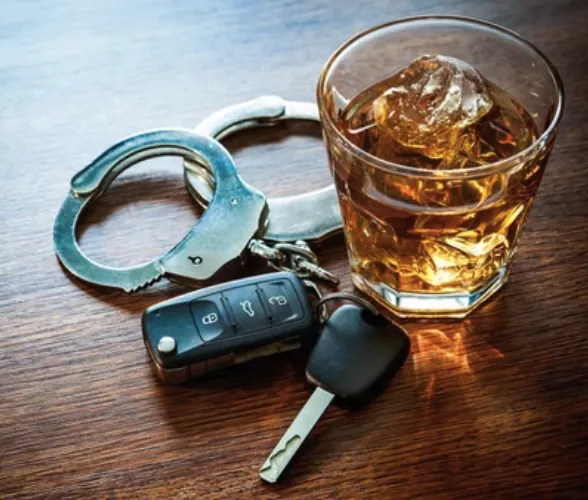
Being arrested for DWI (Driving While Intoxicated) is overwhelming. Many people have never been in legal trouble before and are unsure what will happen next. Understanding the process can help reduce anxiety and prevent mistakes that may affect your future.
This article explains the general steps that typically occur after a DWI arrest.
What Happens After a DWI Arrest in Missouri?
Main Street Law
Being arrested for DWI (Driving While Intoxicated) is overwhelming. Many people have never been in legal trouble before and are unsure what will happen next. Understanding the process can help reduce anxiety and prevent mistakes that may affect your future.
This article explains the general steps that typically occur after a DWI arrest.
1. The Traffic Stop and Arrest
A DWI case usually begins with a traffic stop. An officer may pull over a driver for:
Speeding
Swerving or lane violations
Equipment violations
An accident investigation
If the officer suspects impairment, they may conduct:
Field sobriety tests
Observations of speech, balance, and coordination
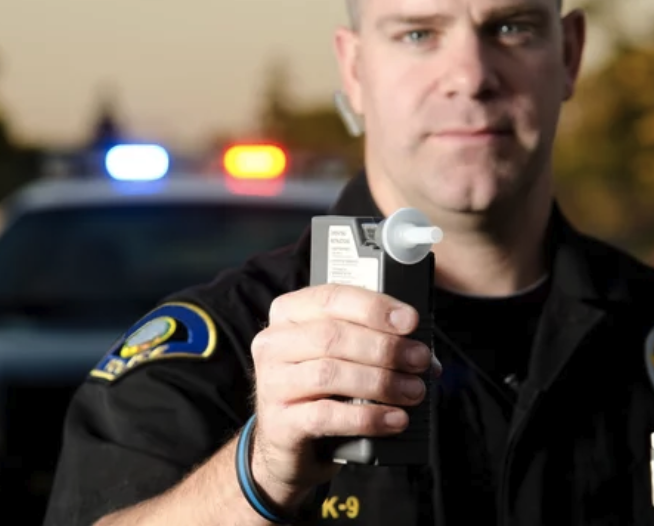
A breath test
If the officer believes there is probable cause, an arrest may occur and the driver is taken to a police station or jail for processing.
2. Chemical Testing
After arrest, the officer may request a chemical test such as:
Breath test
Blood test
Urine test (less common)
Missouri has an implied consent law, meaning drivers agree to chemical testing by operating a vehicle. Refusing a test can lead to separate administrative penalties, including a longer license suspension.
3. Booking and Release
During booking, the individual is:
Photographed (mugshot)
Fingerprinted
Entered into the system
In many situations, a person is released within hours after posting bond or being issued a citation to appear in court. Conditions of release may apply.
4. Two Separate Cases Begin
Many people do not realize a DWI starts two different legal processes:
Criminal Case
This occurs in court and determines guilt or innocence. Possible outcomes can include fines, probation, education programs, or other court-ordered conditions depending on circumstances and prior history.
Administrative License Action
This is handled by the State's Department of Revenue and affects your driving privileges.
It can begin before the court case finishes.
Deadlines to challenge a license suspension can be short, so paying attention to paperwork after release is important.
5. The First Court Appearance (Arraignment)
The arraignment is the first scheduled court date. At this hearing:
Charges are formally presented
Rights are explained
A plea may be entered
Future court dates are scheduled
Missing this date can result in a warrant, so it is very important to attend.
6. Possible License Consequences
Depending on circumstances such as test results, refusal, and prior offenses, consequences may include:
Temporary permit
Suspension period
Restricted driving privileges
Installation of an ignition interlock device
Each situation is different, and timing matters when responding to notices from the Department of Revenue.
7. What You Should NOT Do After a DWI
After release, people often unintentionally make their situation worse. Avoid:
Posting about the arrest on social media
Ignoring mail from the court or state
Driving when privileges are suspended
Missing court dates
Assuming the case is minor
Even a first offense can have long-term effects on employment, insurance rates, and driving privileges.
8. Why Early Information Matters
The period immediately after a DWI arrest is when most important deadlines occur. Understanding your options early allows you to make informed decisions and avoid unnecessary complications.
Final Thoughts
A DWI charge does not automatically determine the final outcome. The legal process takes time, and each case depends on its specific facts, testing procedures, and documentation.
Learning how the process works can help you stay organized and reduce uncertainty while your case moves forward.
Disclaimer
This article is for general informational purposes only and does not constitute legal advice. Reading this article or contacting Main Street Law through this website does not create an attorney-client relationship. Every accident situation is different, and you should consult a qualified attorney regarding your specific circumstances.
